
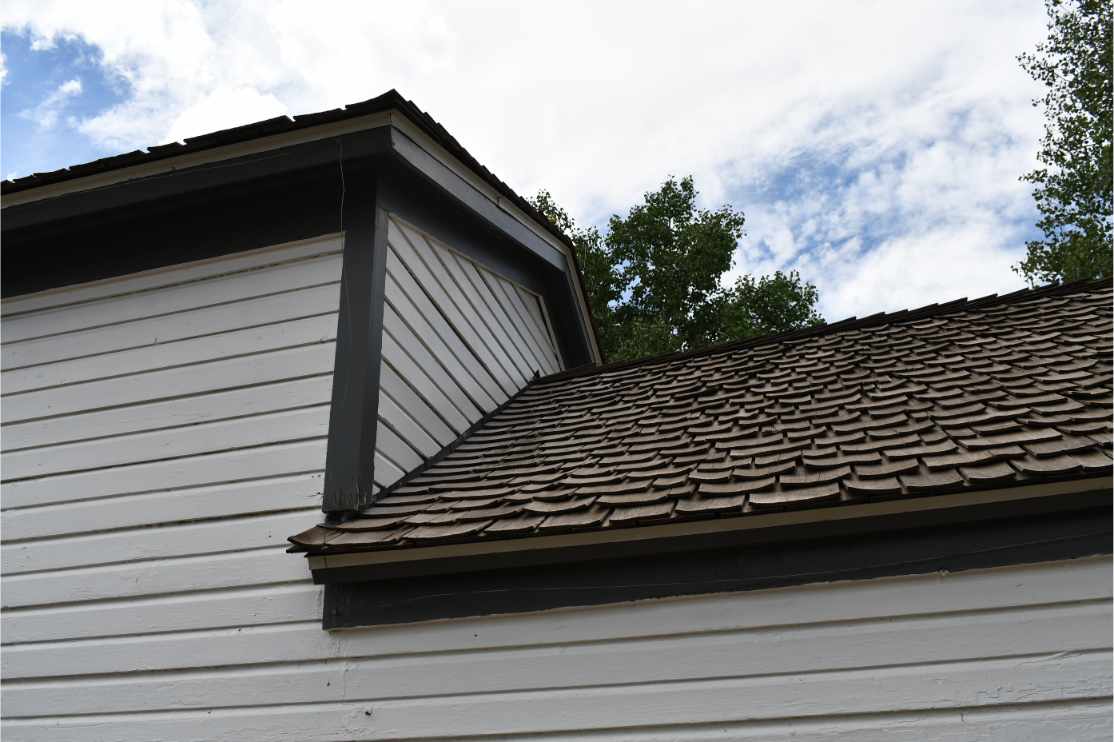
After a severe wind or hail event in North Dakota, knowing the tell-tale siding damage signs wind hail ND homeowners should look for is critical to prevent water intrusion, mold, and further structural decay. Signs like extensive cracking, warping, detachment, and blistering require immediate attention from a professional contractor like Vander Wal Contracting. If you spot any of these issues, you must contact us immediately for an assessment to determine when to replace damaged siding or if quick, targeted repair is needed.
Quick Summary
A quick visual inspection after a storm can save your home from major issues.
- High Risk: Damaged siding creates a path for water, mold, and rot beneath the surface.
- Urgency: Even small cracks can expand rapidly during temperature changes.
- Key Visuals: Look for impact dents, loose panels, and bubbling.
- Insurance Tip: Document all visible siding damage signs wind hail ND before we arrive.
- Action: Call immediately for an assessment and potential emergency repair or tarping.
Assessing Siding Damage Signs Wind Hail ND
The intense weather in the Bismarck and Mandan areas, including wind and hail, can compromise your siding quickly. Unlike roofing damage, siding damage can sometimes be less obvious but equally destructive if it allows moisture to breach the exterior barrier.
Definition: Moisture Barrier Compromise
Moisture Barrier Compromise occurs when external protective layers, such as siding or roofing, are breached, allowing water to penetrate the interior structure. In the case of damaged siding, this leads to wood rot, mold growth, reduced insulation efficiency, and compromised structural integrity. Immediate repair is necessary to mitigate this serious risk.
The 7 Critical Signs of Urgent Siding Damage
If you observe any of the following signs, your Bismarck home’s siding needs urgent repair to safeguard your structure and interior.
- Extensive Cracks or Splits: Hail impacts or extreme thermal stress can cause sharp, linear cracks in vinyl or even steel siding. These cracks are direct entry points for water.
- Missing or Loose Panels: High winds can easily peel panels away, especially at seams or corners. Loose or missing sections leave the underlying house wrap and sheathing totally exposed to rain and snow.
- Warping or Buckling: This often happens to vinyl siding from sudden temperature shifts or if panels were installed too tightly. Warping prevents sections from interlocking properly, allowing wind-driven moisture inside.
- Bubbling or Blistering: Pockets of air or visible bubbles in the siding material almost always indicate that moisture has become trapped behind the panel. This is a critical sign of a failing moisture barrier.
- Visible Mold or Mildew: While surface mildew can sometimes be cleaned, mold that appears under the siding, or persistent mold on the exterior, suggests a deeper, ongoing moisture problem that requires immediate remediation.
- Failing Caulking or Seams: Look for dry, cracked, or crumbling caulk around windows, doors, and corner trim. If the sealant fails, it means the structure beneath is vulnerable to weather intrusion.
- Increased Energy Bills: Damaged siding loses its insulating properties. If your heating or cooling bills spike unexpectedly after a major storm, it may be a sign that the protective thermal barrier is compromised.
When to Repair vs. When to Replace Damaged Siding
Determining the right solution—repairing a small section or undertaking a full replacement—requires expert evaluation.
| Repair Option | When to Choose Repair | When to Choose Replacement |
| Targeted Repair | Minimal damage (e.g., 1–2 panels missing, localized denting, minor splitting in one area). | Widespread damage (e.g., hail impact across multiple elevations, significant warping/brittleness due to age). |
| Full Replacement | Siding is past its lifespan (20+ years for vinyl) or if the specific color is discontinued, making blending impossible. | Replacement is mandatory if the underlying structure or sheathing has sustained moisture damage, rot, or mold. |
Siding Repair & Storm Damage FAQs
What should I do before VWC arrives to assess my damaged siding?
Ensure the area is safe, and take clear, documented photos and videos of all the cracked warped siding repair Bismarck needs. This helps support your later insurance claim documentation.
Does VWC handle the insurance claim process for siding repair?
Yes, we provide comprehensive insurance assistance. We document the damage, prepare detailed estimates, and communicate directly with your adjuster to help secure coverage for your siding replacement or repair.
How long does it take VWC to replace storm-damaged siding?
The timeline depends on the home’s size and complexity, and the extent of the damage. A full siding replacement on an average home generally takes 1 to 3 weeks. We provide a precise timeline in our estimate.
Is vinyl siding more prone to cold-weather damage than steel siding?
Yes, vinyl siding often becomes brittle in extreme cold, making it significantly more prone to shattering or cracking upon impact from wind or hail compared to robust, durable steel siding.
Can damaged siding affect my home’s value?
Absolutely. Damaged siding not only detracts from curb appeal but also signals potential underlying structural issues, leading to a major decrease in market value and appeal to potential buyers.
Can VWC install temporary protection for my siding damage?
Yes, if the damage exposes the sub-structure to immediate water risk, our emergency team can secure the area with temporary weather-resistant measures until permanent repairs can be scheduled.
Don’t Let Damage Linger
North Dakota’s environment is harsh, and even minor siding damage should not be ignored. It compromises your home’s energy efficiency, protection, and long-term value. As your local experts, we know exactly how severe wind and hail impacts the exterior surfaces of Bismarck homes.
Contact Vander Wal Contracting immediately for a free assessment, and let us restore your home’s vital barrier with quality and durability.
By: Vander Wal Contracting Team Last Updated: November 17, 2025