
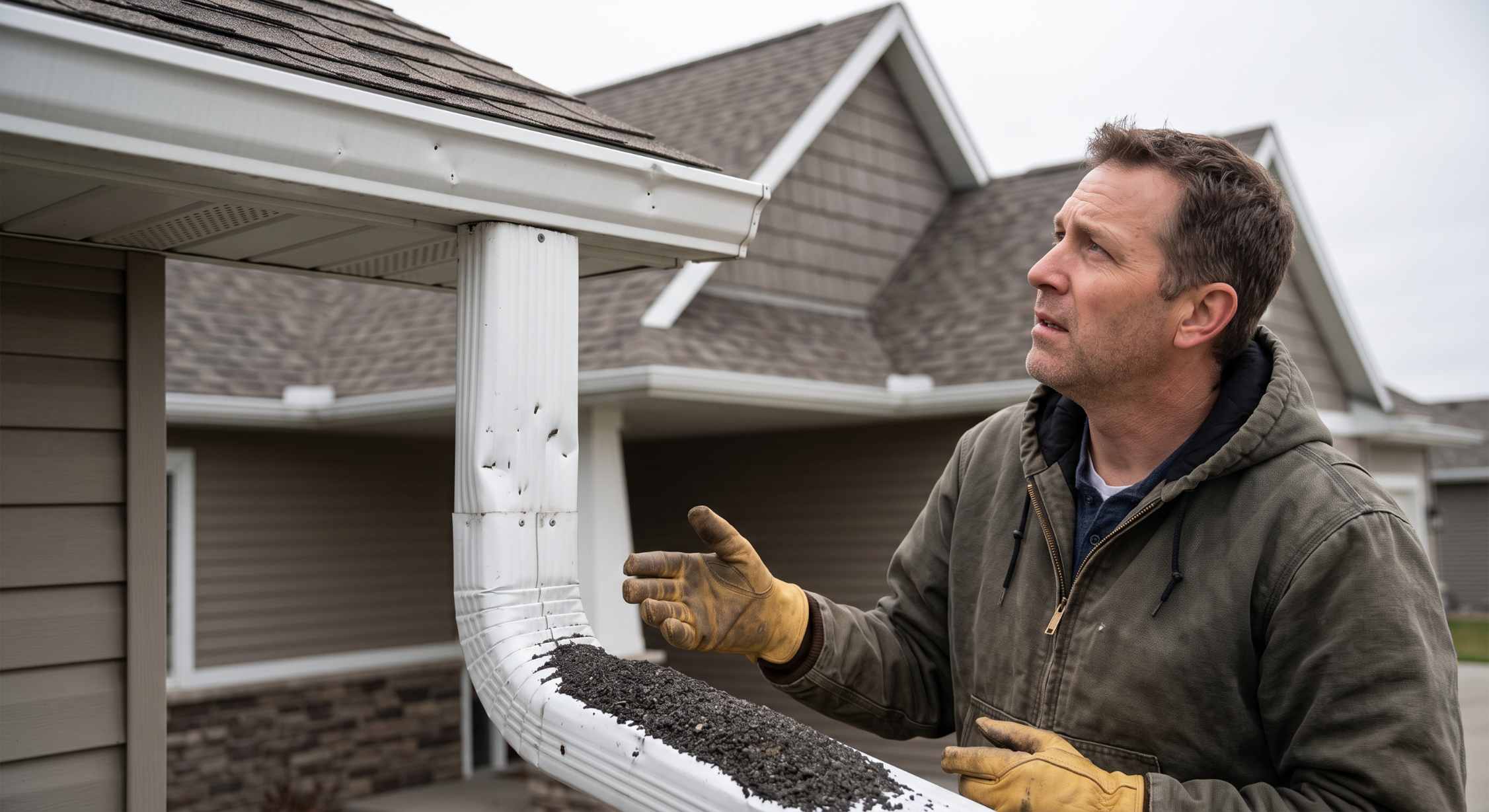
Summer thunderstorms, high wind gusts, and sudden hail strikes are an accepted reality of living in the Bismarck-Mandan area. When a severe weather system passes, most homeowners step into the yard to look for obvious destruction, like giant tree limbs lying on the ridge or large sections of shingles missing from the roofline. If those aren’t visible, it’s easy to assume your home escaped unscathed.
However, storm damage is rarely that obvious. Hail and severe wind often leave behind subtle, hidden structural compromises that go unnoticed by the untrained eye. Left unaddressed through a brutal North Dakota winter, these minor breaches allow water to seep into wall cavities, saturate attic insulation, and rot underlying roof sheathing.
Partnering with a trusted, local residential roofing company in Bismarck, ND for a thorough post-storm evaluation is the best way to catch these early warning signs. Understanding these five hidden indicators can help you determine when it’s time to request a professional evaluation for a roof replacement in Bismarck, ND before water penetrates your living space.
Widespread Granule Loss
Asphalt shingles rely on an outer layer of mineral granules to protect their underlying petroleum-asphalt coating from harmful UV rays. When hailstones strike a shingle, the force displaces these granules, creating micro-fractures in the material.
While you might not see small bruised spots on your shingles from the ground, the evidence accumulates quickly at the base of your home:
- Heavy Sediment in Downspouts: If your downspouts are discharging large piles of dark, sand-like granules onto your driveway or splash blocks after a storm, your shingles have lost their protective shield.
- Accelerated UV Degradation: Exposed asphalt bakes and cracks rapidly under the summer sun, causing the shingles to curl, lose their water-shedding ability, and fail prematurely.
Punctured or Dislodged Roof Flashing Seams
Roof flashing consists of thin metal strips installed along high-risk leak zones—including roof valleys, chimney bases, sidewalls, and pipe boots. While your primary shingles might survive high winds, storm pressure frequently compromises these crucial metal seals.
Subtle Uplift at Valleys: Wind gusts pulling across roof planes create negative pressure, lifting flashing slightly away from the deck. Water flowing down the valley during subsequent rains bypasses the shingle edge entirely.
Split Pipe Boots: Rubber collars around vent pipes become brittle over time. Hail impacts can split this rubber, creating a direct path for water to run down the exterior of the pipe directly into your attic.
Bruised Shingles and Sub-Surface Mat Fractures
Unlike large hailstones that punch physical holes straight through aging materials, mid-sized hail ($1.00$” to $1.75$” in diameter) creates “bruises” that are almost impossible to detect from the ground.
When hail strikes a flexible asphalt shingle, it compresses the internal fiberglass mat underneath. On the surface, the shingle may look intact, but the underlying structural fiberglass matrix has been fractured.
The Freeze-Thaw Threat: During a North Dakota winter, moisture enters these invisible micro-fractures. As the water freezes and expands, it expands the fracture, tearing the shingle apart from the inside out and causing sudden leaks during spring thaws.
Dented Attic Vents, Gutters, and Soft Metals
One of the most reliable ways to verify that storm damage warrants a full roof replacement is by inspecting the “soft metals” around your roofline. Soft metals—such as aluminum gutters, box vents, ridge vents, and metal chimney caps—show impact marks far more clearly than fiberglass shingles.
| Exterior Inspection Zone | What to Look For | What It Indicates for Your Roof |
| Aluminum Gutters & Downspouts | Small, rounded dings along the outer lip | High-density hail hit the property with force. |
| Roof Ridge Vents & Turtle Vents | Random, localized depressions in the metal housing | Impact energy was strong enough to bruise surrounding shingles. |
| Metal Window Wraps & Siding | Dents or chipped paint on siding frames | Storm winds drove hail horizontally into the building envelope. |
If your gutters and roof vents are covered in impact marks, there is a high probability that your shingle system has suffered widespread functional damage that qualifies for an insurance-covered roof replacement.
Unexplained Interior Water Stains or Attic Moisture
The final, most urgent sign of storm damage is moisture showing up inside your home. Water rarely travels in a straight line; a leak originating at a damaged ridge line may travel 15 feet down a rafter before dripping onto your ceiling drywall.
Check your home for these indoor warning signs following a major storm:
- Discolored Ceiling Spots: Yellow or light brown rings forming on upper-floor ceilings or in closet corners.
- Matting Attic Insulation: Clumped, compressed blown-in insulation directly beneath roof deck seams.
- Rusted Fasteners in the Attic: Nails protruding through the underside of the roof deck that show fresh rust or water droplets, indicating moisture is seeping through compromised shingle nail tracks.
Frequently Asked Questions
How long do I have to file an insurance claim after a storm in Bismarck?
Most insurance carriers operating in North Dakota require you to report storm damage within 12 to 24 months of the date of the loss event. Waiting too long allows minor leaks to cause rot, which insurance adjusters may deny as “unattended maintenance” rather than storm damage.
Can I just repair the damaged area instead of replacing the whole roof?
If the damage is isolated to a few shingles from a fallen branch, a spot repair may suffice. However, if hail or high winds have caused widespread granule loss, fractured mats, or lifted flashing across multiple roof slopes, a full roof replacement is necessary to restore your home’s weather-tight envelope.
Will my insurance rates go up if I file a storm damage claim?
Storm damage is classified as an “Act of Nature” (unpreventable weather event). Unlike auto accidents or liability claims, insurance companies generally cannot single you out for a rate increase simply because you filed a weather-related claim, though regional rates may adjust across an entire zip code after major weather events.
What is the difference between functional damage and cosmetic damage?
Functional damage means the structural integrity or lifespan of the roof has been compromised, leading to leaks or premature failure. Cosmetic damage refers to superficial dents (like small dings on metal panels) that do not affect the roof’s ability to shed water. Most policies fully cover functional damage.
Should I choose metal roofing or asphalt shingles for my replacement?
Both options offer strong protection when installed properly. High-grade architectural shingles provide a cost-effective, classic aesthetic. However, upgrading to a Class 4 impact-resistant steel roof provides permanent protection that resists hail, eliminates ice dams, and can lower your annual homeowner’s insurance premiums.
Protecting your home begins with a proactive inspection before minor leaks turn into costly interior repairs. At Vander Wal Contracting, we evaluate storm-damaged roofs across Bismarck, Mandan, and Lincoln with accuracy and intent. Whether you need an honest assessment after a hailstorm, a complete asphalt shingle installation, or an upgrade to a permanent metal roofing system, our team is here to guide you every step of the way.
Explore our completed projects in our home remodeling gallery, read client reviews on our testimonials page, or contact us today to schedule a complimentary post-storm roof inspection.
By: Vander Wal Contracting Editorial Team
Last Updated: September 11, 2026
Credentials: Bismarck-Mandan’s local specialists in residential roof replacement, storm damage inspections, and climate-resilient exterior engineering.