
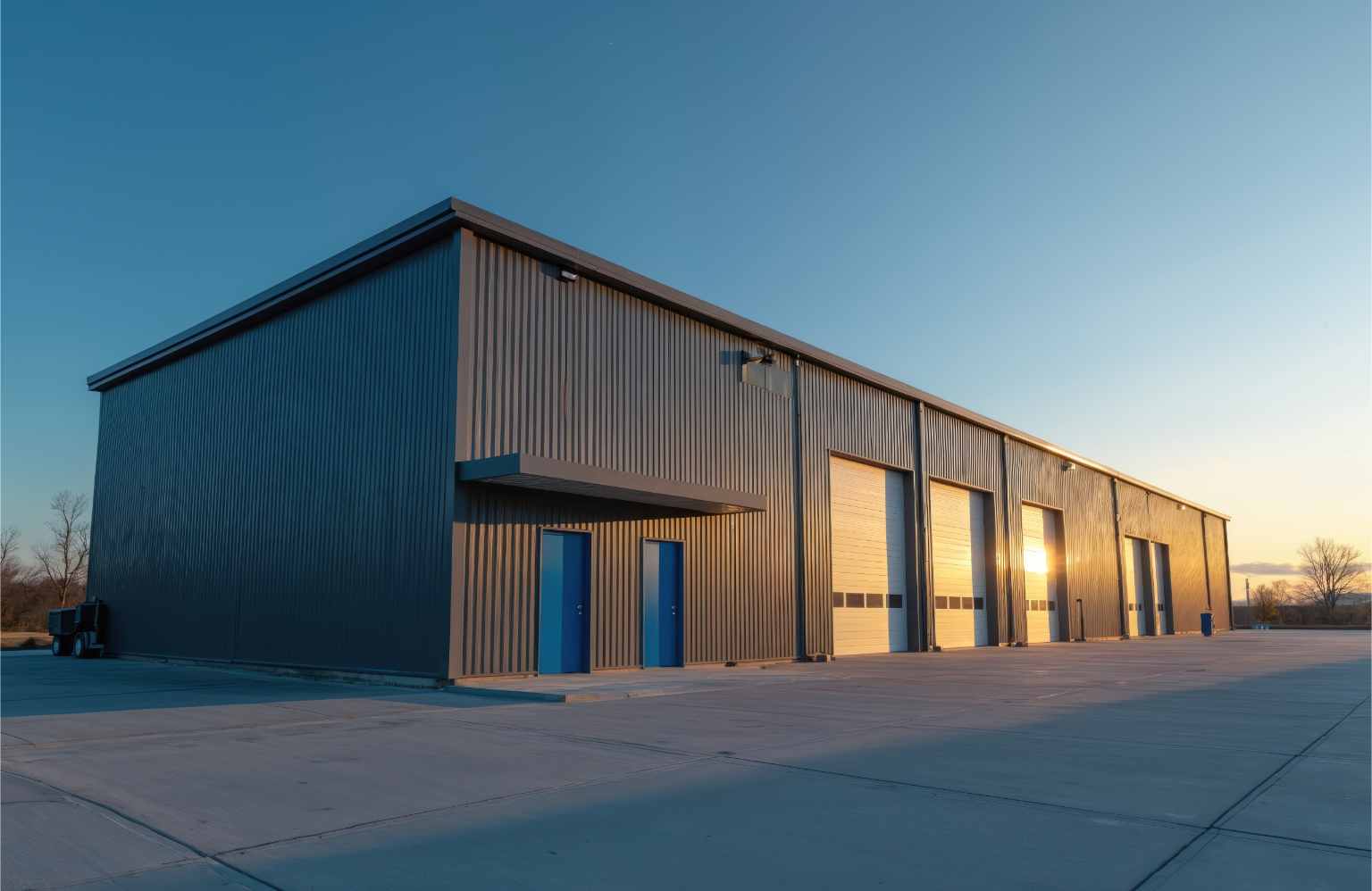
When selecting the right exterior defense for a property in the Bismarck-Mandan area, the term “steel siding” covers a wide spectrum of performance levels. While both residential and commercial grades offer superior protection compared to vinyl or wood, the difference lies in the gauge (thickness), profile design, and fastener systems. Choosing the right grade is a matter of balancing aesthetic goals with the specific structural demands of your building.
In North Dakota, where wind-driven hail and extreme thermal cycling are constant threats, understanding these technical distinctions is essential. At Vander Wal Contracting, we install premium steel siding engineered to maximize your home’s defense, ensuring that whether you choose a residential lap style or a heavy-duty commercial panel, your investment is built to last.
Measuring Strength
In the steel industry, “gauge” refers to the thickness of the metal. Crucially, a higher gauge number indicates a thinner panel.
- Residential Grade (Typically 26 to 29 Gauge): Most residential steel siding is designed to mimic the look of traditional wood lap siding. These panels are typically 26 or 28 gauge, providing a balance of impact resistance and flexibility for easier installation around windows and gables.
- Commercial Grade (Typically 22 to 24 Gauge): Commercial and industrial buildings often utilize 24-gauge steel or thicker. These panels are significantly more rigid and are designed to span longer distances between structural supports (girts) without “oil canning” or waving.
Aesthetics vs. Functionality
The visual profile of the siding often dictates which grade is appropriate for your project. Residential siding is designed for curb appeal, while commercial siding is designed for structural utility.
Residential Steel Profiles
Residential systems, such as TruCedar or seamless steel, often feature embossed wood-grain textures and “hidden fastener” designs. The goal is to provide a clean, traditional look that belongs in a Bismarck neighborhood while offering a Class 4 impact rating against hail.
Commercial Steel Profiles
Commercial panels, like R-Panels or PBR panels, often feature deep ribs and “exposed fasteners.” These ribs add immense structural strength, allowing the panels to withstand the high wind-loading requirements of large post-frame shops and warehouses. While these have a more industrial look, they are the gold standard for agricultural and commercial durability.
Comparison: Residential vs. Commercial Steel Siding
| Feature | Residential Grade Steel | Commercial Grade Steel |
| Typical Gauge | 26 – 29 Gauge | 22 – 24 Gauge |
| Fastener Style | Hidden (Screwed into hem) | Exposed (Grommeted screws) |
| Primary Goal | Curb Appeal & Home Protection | Structural Integrity & Low Cost |
| Texture | Smooth or Wood-Grain Embossed | Usually Smooth / High-Rib |
| Impact Resistance | High (Resists hail) | Maximum (Resists heavy debris) |
| Wind Rating | Rated for residential gusts | Engineered for high-load open plains |
Protective Coatings and Longevity
Regardless of the grade, the “paint system” is what protects the steel from the North Dakota sun. Residential steel often uses high-end PVDF (Kynar 500) coatings, which offer the best resistance to fading and chalking over several decades. Commercial projects might use SMP (Silicone Modified Polyester) coatings, which are highly durable and cost-effective for large-scale industrial surfaces.
At Vander Wal Contracting, we ensure every installation—whether a residential upgrade or a commercial shop—includes meticulous moisture management. This includes high-quality synthetic house wrap and precision flashing around all penetration points to prevent the “hidden rot” that occurs when water bypasses the siding.
Frequently Asked Questions
Can I use commercial-grade steel on my house?
Yes, and it is becoming a popular trend for “modern farmhouse” or “industrial chic” designs. Using a heavier 24-gauge panel on a residence provides incredible dent resistance, though the aesthetic is more linear and bold than traditional lap siding.
Does commercial steel cost significantly more?
The material itself is more expensive due to the weight of the steel. However, because commercial panels are often larger, the labor cost can sometimes be lower on simple, large-walled structures compared to intricate residential lap siding.
Which grade is better for North Dakota hail?
Both are excellent, but commercial 24-gauge steel offers the highest level of protection. While a massive hailstone might cause a small dent in 29-gauge residential steel, it is unlikely to even leave a mark on a heavy-duty commercial panel.
Is steel siding heavier than vinyl?
Yes, but the difference is manageable for any standard home structure. The added weight is a benefit in North Dakota, as it prevents the “rattling” and “wind-lift” common with lighter vinyl products.
Do hidden fasteners matter?
For residential homes, hidden fasteners are preferred as they eliminate hundreds of visible screw heads and reduce the risk of leaks around the rubber washers over 30+ years.
What is “Oil Canning”?
Oil canning is a visible waviness in the flat areas of metal panels. It is more common in thinner gauges and on very long, flat panels. Choosing a heavier gauge (Commercial grade) or a panel with built-in “striations” or ribs helps eliminate this visual issue.
Whether you are looking to elevate your home’s curb appeal with premium residential steel or build a rugged, high-performance commercial shop, Vander Wal Contracting delivers the technical expertise to ensure your siding is installed with accuracy and intent.
By: Vander Wal Contracting Editorial Team
Last Updated: February 20, 2026
Credentials: North Dakota exterior specialists with over 20 years of experience in climate-resilient metal siding and post-frame engineering.