
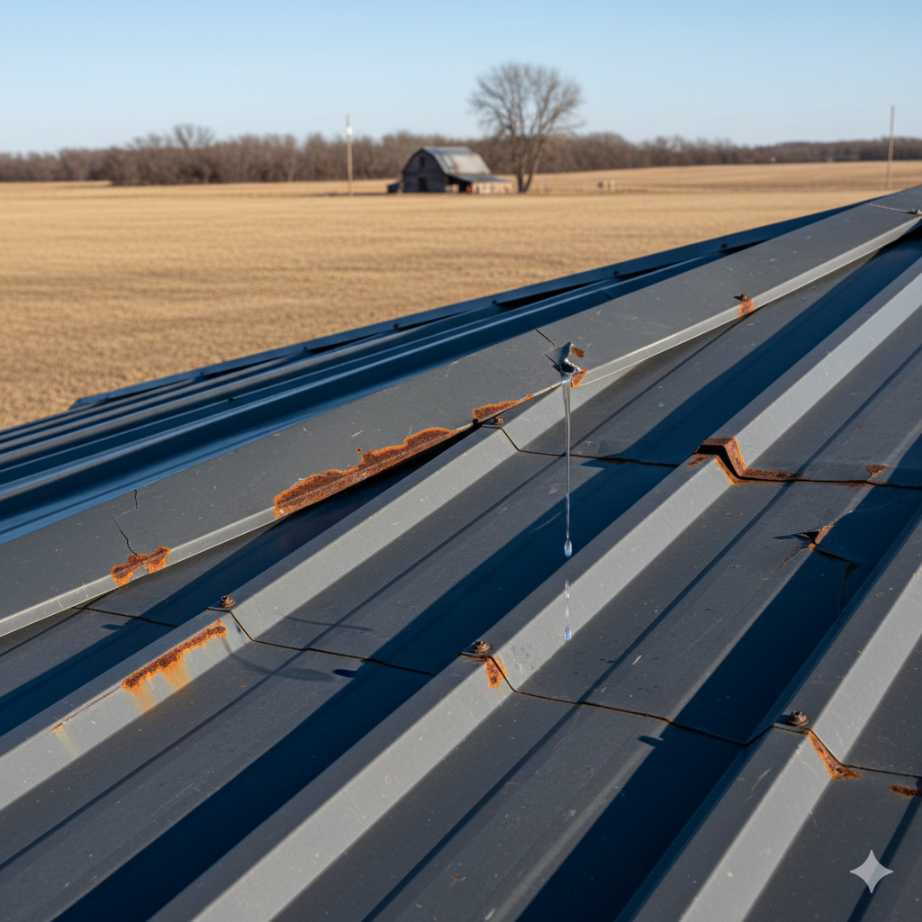
Identifying failing roof and flashing signs before a catastrophic leak occurs is critical for homeowners in North Dakota, where wind and moisture quickly exploit minor vulnerabilities. The key indicators include visible rust, cracked sealant around chimneys and vents, and bent or lifting metal pieces. Because flashing is the watertight material installed at vulnerable roof transitions, any sign of compromise means water is likely bypassing your primary defense. If these signs are ignored, the result is costly damage to your roof deck, structure, and interior ceilings.
Quick Summary
Flashing is the hidden hero of your roof system, sealing the most vulnerable spots against water intrusion. Look for physical signs of wear like corrosion, peeling caulking, or distortion in the metal. Promptly addressing these issues is key to preventing major interior water damage. We specialize in assessing and repairing damaged flashing systems to maximize your long-term Roofing durability.
Table of Contents
The Critical Role of Roof Flashing 5 Common Failing Roof and Flashing Signs Why Flashing Fails in North Dakota Roof and Flashing FAQs
The Critical Role of Roof Flashing
Flashing is a thin, metallic material that is intricately installed at every juncture where the roof surface meets a vertical structure. This includes around chimneys, skylights, vents, and in roof valleys. Its purpose is to act as a secondary, watertight seal, diverting water away from these vulnerable areas. When snow, ice, or rain hits your roof, the flashing is the final line of defense against water penetration. Without properly installed or maintained flashing, even a brand new roof is guaranteed to leak.
The Most Vulnerable Areas
In a roof system, the horizontal shingles are designed to shed water, but the areas where the roof planes break—such as the complex joints around a chimney—require the dedicated protection of flashing. High-quality flashing is carefully bent and layered to ensure that even wind-driven rain or water backed up by an ice dam cannot breach the seal. This makes checking the flashing a priority during any routine roof inspection.
5 Common Failing Roof and Flashing Signs
A visual inspection can often reveal that your roof’s weakest points are starting to fail. Look for these signs of potential damage, which indicate you need professional repair immediately.
- Cracks or Splits in the Sealant: The caulking or sealants around the edges of the flashing are often the first component to fail. Thermal cycling from ND temperature swings causes the sealant to dry out, crack, and pull away from the chimney or vent, creating an open gap for water entry.
- Visible Rust or Corrosion: If your flashing material (often galvanized steel or aluminum) shows signs of widespread rust, its ability to hold a watertight seal is compromised. Rust indicates the protective coating has failed due to years of moisture exposure, requiring immediate replacement.
- Lifting or Bending: Strong North Dakota winds can work their way under loose edges of flashing, lifting or bending the metal away from the roof surface. When the metal is deformed, water can easily funnel directly beneath the shingles.
- Discolored or Missing Shingles Nearby: Flashing failure often causes localized leaks. Look for shingles immediately surrounding a vent or chimney that appear darker, mossy, or have excessive granule loss, suggesting chronic moisture exposure.
- Water Stains in the Attic or Ceiling: The most definitive sign that failing roof and flashing signs have progressed to a leak is the appearance of water stains inside your attic or on the drywall of your top-floor ceilings. This means the water has already breached the entire system.
Why Flashing Fails in North Dakota
The extreme climate in Bismarck and Mandan is particularly hard on roof components, and flashing is no exception. Flashing is subject to the constant stress of thermal cycling, causing the metal to expand and contract repeatedly. This constant movement degrades the seals and eventually causes the material to fatigue and crack. Furthermore, if snow and ice are allowed to accumulate due to poor attic ventilation, the immense pressure exerted by ice dams can physically deform the metal flashing, rendering it useless. Our expertise ensures we use materials and techniques designed to resist these specific local environmental factors.
Roof and Flashing FAQs
What type of metal is best for roof flashing in ND?
Durable metals like galvanized steel, copper, or lead are preferred. These materials offer superior resistance to rust and are flexible enough to be contoured properly around complicated roof structures.
Can VWC repair only the flashing, or must the entire roof be replaced?
We can often repair or replace only the localized flashing and surrounding shingles. However, if the underlying roof deck is rotted, or if the overall Roofing system is near end-of-life, a full replacement may be recommended.
How often should I have my flashing inspected?
We recommend having a professional roof inspection, including a detailed check of all flashing, done at least once a year. This should be a priority after any major hail or wind storm.
Does proper flashing help prevent ice dams?
While proper attic ventilation is the primary prevention against ice dams, properly installed flashing, particularly Ice and Water Shield, serves as a crucial secondary defense layer to prevent leaks if an ice dam forms.
Why is flashing needed around roof vents?
Roof vents create a break in the shingle plane, which is an immediate entry point for water. Flashing creates a custom, water-tight collar around the base of the vent to ensure water runs over the seal and onto the shingles below.
If I see a missing piece of flashing, is that an emergency?
Yes, absolutely. A missing piece of flashing means there is an exposed break in the waterproof layer of your roof. This requires immediate service, and often emergency tarping, to prevent major interior water damage.
Safeguarding Your Home’s Long-Term Durability
Flashing failure is a silent threat that can cause major damage before you even notice a leak inside. By understanding these failing roof and flashing signs and relying on our decades of expertise, you are ensuring the structural safety of your home. We are committed to meticulous detail in every installation and repair.
Don’t wait for the leak. Contact us today for a free inspection of your roof and flashing system at our dedicated Roofing service page.
By: Vander Wal Contracting Team Last Updated: November 17, 2025