
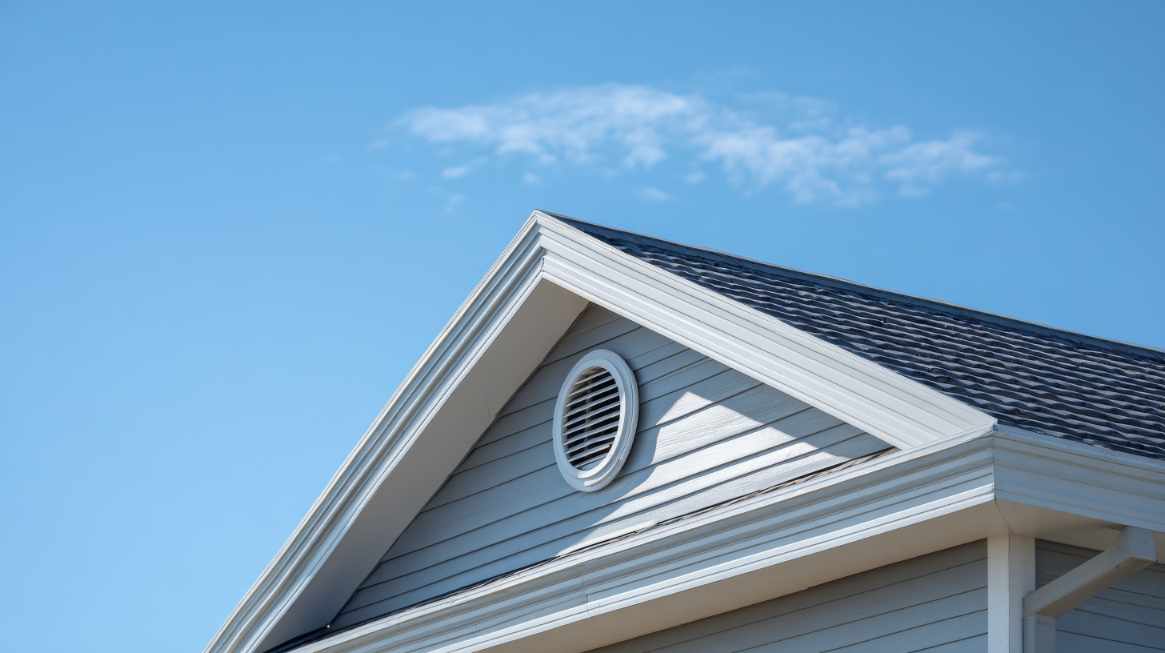
Proper attic and roof ventilation is critically important for the longevity of your roof and is the primary defense for preventing ice dams North Dakota homeowners face every winter. Balanced ventilation prevents the warm air rising from your home from accumulating in the attic and melting snow on the upper roof. This prevents water from refreezing at the cold eaves, thereby eliminating damaging ice dams. Adequate airflow balances attic temperature, extending the life of your roofing materials and preventing costly water damage to your home’s structure.
Quick Summary
Effective attic ventilation is your best defense against damaging winter ice dams.
- Root Cause: Ice dams form when warm attic air melts upper roof snow, which then refreezes at the cold eaves.
- Solution: Proper attic ventilation creates a cold roof deck, keeping the entire roof surface at the same temperature as the exterior air.
- Benefits: Prevents ice dam formation, reduces moisture buildup (mold), and extends the life of shingles.
- Critical Component: Proper soffit and ridge venting ensures continuous, balanced airflow.
- VWC Expertise: We assess and integrate correct ventilation during all new roof installations and repairs.
Understanding the Problem: Why Ice Dams Form
Ice dams are a common and costly issue for North Dakota homeowners. They often lead to roof leaks and water damage inside the home. An ice dam forms not because of external cold, but because of uneven roof temperatures caused by heat loss from your living space.
Definition: Ice Dam
An Ice Dam is a ridge of ice that forms at the edge of a roof, typically at the eaves. It prevents melted snow (water) higher up on the roof from draining off. When this trapped water backs up under the shingles, it leaks into the attic and wall cavities, causing significant structural and interior damage.
How Proper Attic Ventilation Prevents Ice Dams
To prevent ice dams, the roof deck—the wood sheathing beneath the shingles—must remain cold. This prevents snow from melting prematurely.
Dual Role of Ventilation
Proper attic ventilation roof repair involves continuous airflow that achieves two critical goals in the North Dakota climate:
- Exhausting Warm Air (Winter): It expels warm, moist air that leaks from the living space into the attic. This keeps the underside of the roof deck cold, matching the temperature of the air outside.
- Expelling Moisture (Year-Round): It helps prevent condensation of moist air within the attic space, which significantly reduces the risk of mold growth and wood rot.
The Key to Balanced Airflow
Effective ventilation relies on a balanced system of intake and exhaust vents.
| Component | Function | VWC Recommendation |
| Intake Vents | Allows cool, fresh outdoor air to enter the attic (typically located at the soffits/eaves). | Must be clear and unblocked by insulation. |
| Exhaust Vents | Allows warm, stale attic air to exit (typically located at the ridge or roof vents). | A continuous ridge vent is often the most effective exhaust method. |
| Roof Flashing | Prevents water penetration at vulnerable spots (chimneys, valleys, vents) if an ice dam does form. | Must be correctly installed and maintained to protect critical junctures. |
4 Signs Your Attic Ventilation is Failing
If you are experiencing any of these common signs, your ventilation may be insufficient for preventing ice dams North Dakota winters bring.
- Visible Ice Dams: A clear indicator of a thermal imbalance in your roof system.
- Excessive Attic Humidity/Drip: Condensation on the underside of the roof sheathing, especially near the eaves or rafters.
- Premature Shingle Deterioration: Shingles that curl or crack before their expected lifespan may be overheating in the summer due to poor venting.
- High Energy Bills: Poor ventilation forces your HVAC system to work harder, leading to higher heating bills in winter and higher cooling bills in summer.
Roofing and Ventilation FAQs
What is the importance of roof flashing ND homes need?
Roof flashing is vital. It is a thin, metallic barrier installed at roof transitions (valleys, chimneys, vents) that creates a watertight seal. This diverts water away and is the last line of defense against leaks if an ice dam forms.
Can a new metal roof fix my ice dam problems?
A metal roof helps by having a slick surface that sheds snow more readily than asphalt. However, if the underlying insulation and ventilation problems are not fixed, heat loss will still melt snow, and ice dams can still occur.
Does a well-insulated attic need ventilation?
Yes, absolutely. Insulation slows heat transfer, but ventilation removes the warm air that does escape into the attic, balancing the temperature and removing damaging moisture.
Can VWC inspect my current attic ventilation?
Yes. As part of our comprehensive Roofing service, we conduct thorough inspections of the roof structure, including ventilation and insulation, to diagnose and correct heat-loss issues.
What is the lifespan of asphalt shingles impacted by poor ventilation?
Poor ventilation significantly shortens the lifespan of asphalt shingles because excessive heat buildup causes premature aging, warping, and granule loss, often reducing their life by a decade or more.
How are proper attic vents installed?
Proper venting involves ensuring the soffit vents (intake) are open and installing an uninterrupted ridge vent (exhaust) along the peak of the roof. The total square footage of vent area must be correctly calculated based on attic size.
Invest in a Complete Roofing Solution
In a demanding environment like Bismarck, your roof needs more than just shingles—it needs a complete system of durable materials, professional flashing, and balanced ventilation. This layered approach is how Vander Wal Contracting ensures you receive lasting protection built to withstand North Dakota’s toughest conditions.
Schedule your roofing and ventilation assessment with our experts today.
By: Vander Wal Contracting Team Last Updated: November 17, 2025