
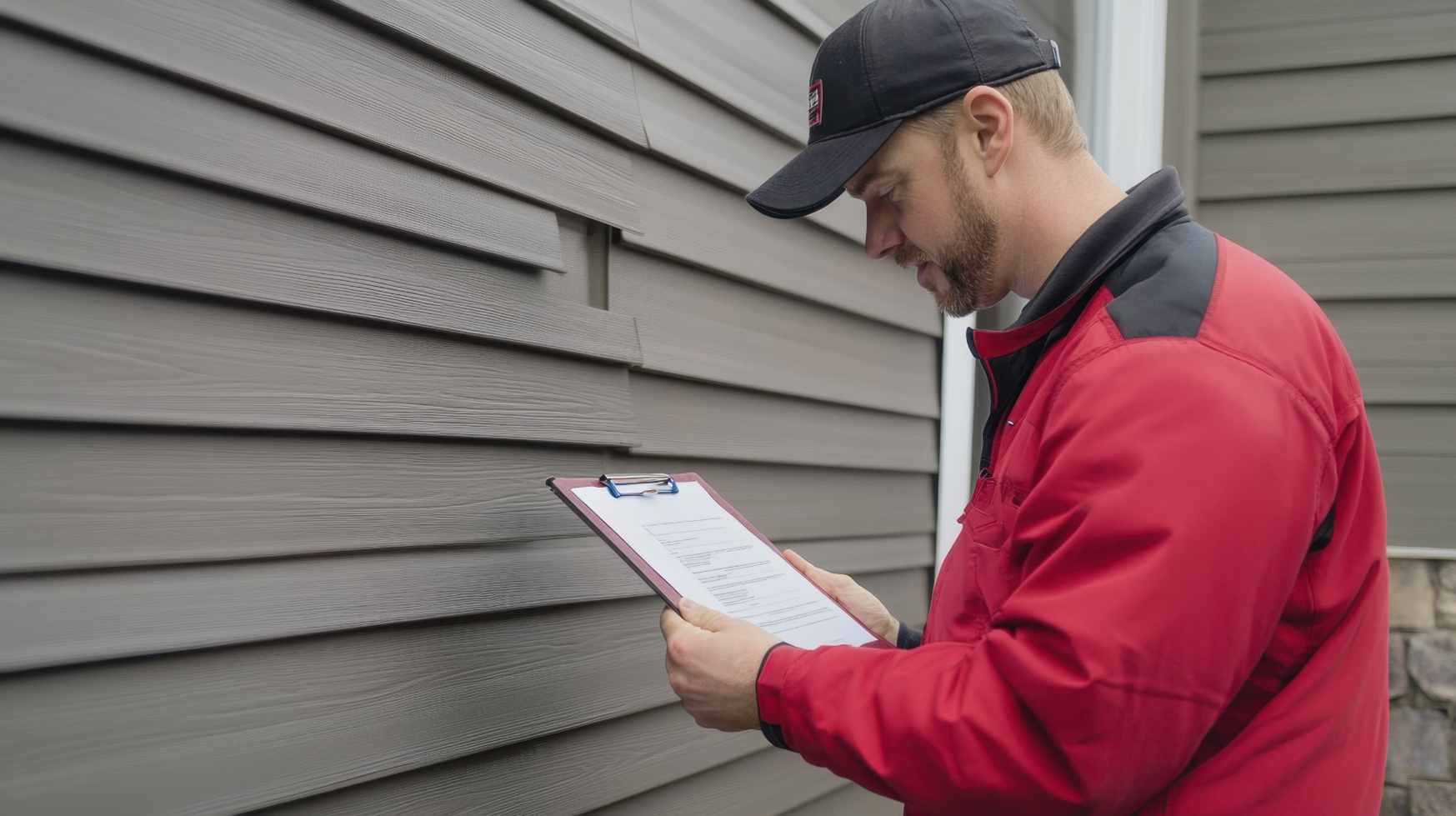
In the aftermath of a severe North Dakota windstorm, siding damage is often more than an aesthetic concern—it is a breach in your home’s protective envelope. High winds in the Bismarck-Mandan area can reach speeds that create “negative pressure” on your exterior walls, pulling panels away from the sheathing or driving debris into the surface. While some damage is obvious from the curb, the most dangerous issues are often subtle, leading to hidden rot and compromised insulation if left unaddressed.
Identifying these signs early is the difference between a simple repair and a full structural restoration. At Vander Wal Contracting, we specialize in storm damage assessment, helping homeowners navigate the critical window between the storm event and the onset of water intrusion. If you notice any of the following signs, your home’s defense system requires immediate professional evaluation.
Missing or Loose Panels
The most visible sign of wind damage is a missing panel or a section that has “unzipped” from the locking track. High winds can get behind siding that wasn’t perfectly secured, creating a sail effect that rips the material away. Even if the panel is still attached but hanging loose, it leaves the house wrap and sheathing exposed to the next rain event.
“Chattering” or Rattling Noises
If you hear a persistent tapping or rattling sound coming from your walls during a breeze, it often indicates that the fasteners have been pulled or “over-driven” by wind pressure. This suggests the siding is no longer tight against the wall, which can lead to rapid failure during the next high-wind gust.
Cracks, Chips, and “Spiderweb” Fractures
While LP SmartSide and steel siding are highly impact-resistant, older vinyl siding becomes brittle in our cold climate. Wind-blown debris—like branches or shingles—can cause “spiderweb” cracks that are difficult to see from a distance but allow moisture to seep directly into the wall cavity.
Bubbling or Blistering Surfaces
Bubbling on the surface of your siding is a major red flag for water trapped beneath the material. When wind drives rain behind a compromised panel, the moisture has nowhere to go. As the sun hits the siding, that water turns to vapor, causing the exterior finish to blister or bubble.
Warped or Buckled Panels
Walk along the side of your home and look down the length of the wall. If the siding appears wavy or buckled, it often means the fasteners have been stressed or the substrate (the wood underneath) has absorbed moisture and expanded. This is common after wind-driven rain events where the weather-tight envelope was breached.
Increased Energy Bills
Sudden spikes in your heating or cooling costs after a storm can indicate that wind has compromised your exterior insulation or created air leaks. When siding is pulled away, even slightly, it breaks the thermal barrier, allowing North Dakota’s extreme temperatures to penetrate your home more easily.
Interior Peeling Paint or Wallpaper
Sometimes the clearest sign of siding failure is found inside. If you notice peeling paint, wallpaper, or moisture stains on the interior of an exterior-facing wall, it is a sign that water has bypassed the siding, house wrap, and sheathing entirely.
| Sign of Damage | Immediate Risk | Long-Term Consequence |
| Loose/Missing Panels | Exposed Sheathing | Rot and Pest Infiltration |
| Cracks/Chips | Minor Water Seepage | Mold and Mildew Growth |
| Interior Staining | Active Leak | Structural Wood Decay |
| Rattling/Noise | Panel Loss in Next Storm | Secondary Debris Damage |
Professional Inspection and Insurance
Wind damage is often covered by homeowners’ insurance, but policies typically require “timely notification.” Waiting too long after a storm can lead to a denial of your claim, especially if the damage has escalated into mold or rot. At Vander Wal Contracting, we provide detailed inspections that document the specific warning signs of failing exteriors, ensuring you have the evidence needed for a successful claim.
Frequently Asked Questions
Can I just nail a loose panel back in myself?
It is risky. Siding is designed to “float” to allow for thermal expansion and contraction. Nailing it too tightly can cause it to buckle in the sun, while nailing it too loosely will allow the next wind gust to rip it off again.
Is steel siding better for wind than vinyl?
Generally, yes. Steel siding is heavier and more rigid, making it much harder for wind to “unzip” or rattle the panels. It also offers superior impact resistance against wind-blown debris.
What if only one side of the house is damaged?
We can often perform localized repairs. However, matching the color of older siding can be difficult due to UV fading. In these cases, we may recommend replacing an entire wall to ensure a seamless look.
How long do I have to file a storm damage claim?
Most insurance policies require you to file within 12 to 24 months of the storm event, but the sooner you act, the easier it is to prove the damage was caused by a specific wind event.
Will my insurance rates go up if I file a claim?
In many cases, “Acts of Nature” like wind and hail storms do not cause individual rate hikes, as they are considered no-fault events. However, check your specific policy details.
Does wind damage affect my roof too?
Almost always. If wind was strong enough to damage your siding, it likely compromised your roof flashing or shingles. We recommend a full exterior inspection after any major storm.
Built with accuracy and intent, your home’s siding is its first line of defense. Don’t let a “minor” wind event turn into a major structural repair. If you suspect your home has been compromised, contact Vander Wal Contracting for a professional assessment. We understand the North Dakota climate and what it takes to restore your home’s integrity.
By: Vander Wal Contracting Editorial Team
Last Updated: February 20, 2026
Credentials: Bismarck’s storm restoration experts, specializing in high-performance siding and weather-tight envelope repair.